
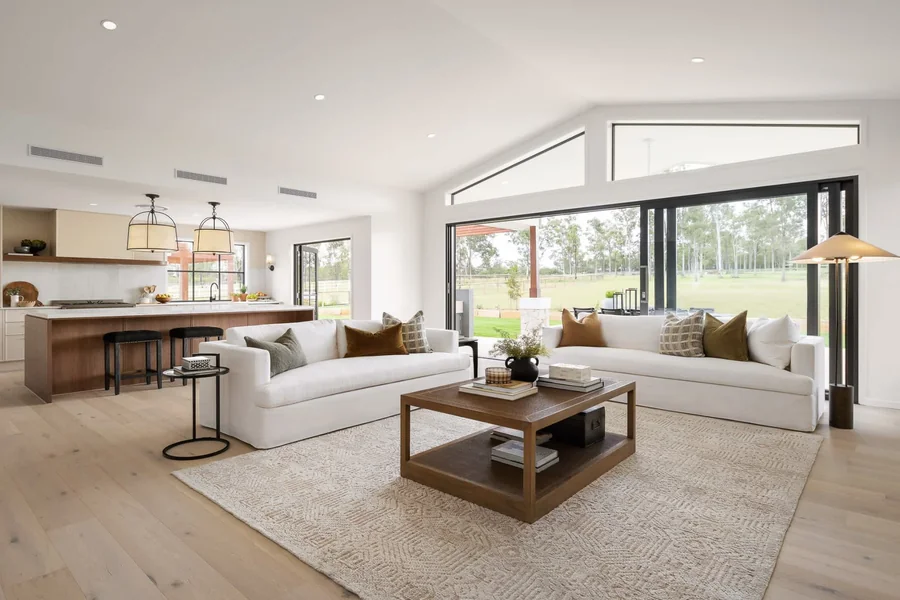
Multigenerational living continues to grow in popularity across Australia as families look for smarter ways to stay close, share resources, and support one another. Whether you’re adding a granny flat, designing a dual-occupancy home, or expanding your existing layout, the right floor plan will make all the difference. A well-considered design ensures that each generation enjoys privacy, comfort, safety, and the freedom to live independently — all while staying connected.
Below, we explore the key design principles that help you choose the ideal floor plan for harmonious multigenerational living.
Why the Floor Plan Matters for Multigenerational Households
Every family functions differently, and a successful multigenerational home should reflect unique routines and needs. The right layout will:
- Offer appropriate privacy for each generation
- Provide inviting shared spaces
- Improve comfort and accessibility
- Support changing needs over time
- Encourage safe, independent living
A thoughtful floor plan brings balance to daily life for everyone under one roof.
Prioritise Privacy and Personal Space
Privacy is essential when multiple generations share a property.
Floor Plan Ideas That Enhance Privacy:
- Separate bedroom wings or zones
- Granny flat with its own private entrance
- Zoned layouts or partitioned living areas
- Private ensuites instead of shared bathrooms
- Dedicated outdoor spaces for each household group
A design that offers both separation and connection helps prevent tension and encourages comfortable living.
Create Flexible Shared Areas
Shared spaces are where families gather, cook, relax, and connect — but they need to be functional and flexible.
Useful Shared Spaces Include:
- Open-plan kitchen, living, and dining areas
- Kitchens with space for multiple people to prep and cook
- Covered alfresco or deck areas
- Multi-purpose rooms for study, hobbies, or guest use
Well-planned shared zones help the home grow and adapt as your family changes.
Design with Accessibility and Long-Term Use in Mind
Homes designed for multiple generations often need to accommodate older adults or people with reduced mobility.
Important Accessibility Features:
- Step-free access at entries
- Wider doorways and hallways
- Larger bathrooms that allow for assistance if needed
- Non-slip flooring throughout
- Single-level living or downstairs bedrooms
Future-proofing ensures your home remains comfortable and practical as your family evolves.
Consider the Benefits of a Self-Contained Granny Flat
A granny flat is one of the most popular solutions for multigenerational living.
Advantages of a Separate Granny Flat Layout:
- Allows older relatives to live independently
- Provides adult children with private, supported accommodation
- Reduces overcrowding in the main home
- Offers possible rental income in the future
Granny flats strike an ideal balance between closeness and autonomy.
Plan Kitchens & Bathrooms for Efficiency
These high-use spaces need special attention to avoid bottlenecks and ensure convenience.
For Kitchens:
- Dual preparation zones
- Ample bench space
- Easily accessible storage
- Wide walkways for multiple users
For Bathrooms:
- At least one accessible, spacious bathroom
- Walk-in showers
- Separate toilet rooms
- Slip-resistant finishes
Smart planning makes everyday routines smoother for all generations.
Storage Matters More Than You Think
More people under one roof means more belongings — and more need for organised storage.
Storage Ideas for Multigenerational Floor Plans:
- Walk-in pantry
- Built-in robes in every bedroom
- Extra linen cupboards
- Laundry storage solutions
- Attic or loft storage where possible
Good storage keeps the home tidy and reduces stress for everyone.
Design Outdoor Spaces Everyone Can Enjoy
Outdoor living areas expand the usable footprint of your home and create valuable breakout zones.
Ideal Outdoor Features:
- Covered alfresco spaces
- Landscaped gardens
- Dedicated play areas for younger children
- Quiet retreat zones for older family members
- Accessible, level pathways
These outdoor extensions help each generation enjoy their own space.
Know Your Local Regulations
Before finalising your floor plan, make sure you understand:
- Granny flat approval pathways (CDC or DA)
- Maximum floor areas allowed
- Site coverage rules
- Private open space requirements
- Accessibility standards
A qualified designer or builder can help ensure your layout complies with all council requirements.
FAQs About Multigenerational Floor Plans
Should a multigenerational home include more than one living area?
Ideally, yes. Separate and shared living zones help maintain balance and provide personal space.
Is a granny flat better than renovating the main house?
Often, yes. Granny flats offer independence and privacy that renovations may not easily provide.
Can a floor plan be adapted for ageing parents?
Definitely. Features like wider doorways, step-free layouts, and accessible bathrooms can be incorporated into most designs.
Final Thoughts
Choosing the right floor plan for multigenerational living involves balancing independence, accessibility, privacy, and togetherness. With thoughtful design and smart planning, you can create a home that feels comfortable, welcoming, and functional for every generation.
Ready to design a multigenerational-friendly home? Contact us today to explore customised floor plan options built for your family’s lifestyle.