
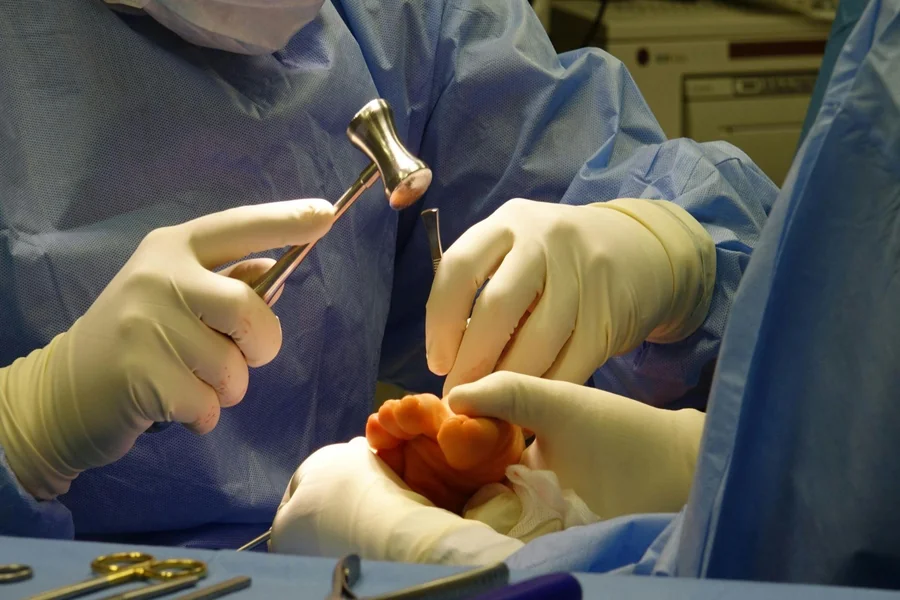
Your feet carry you through every part of your day, yet they are often ignored until pain starts. Foot pain and injuries can affect how you move, work, and enjoy life. A podiatrist focuses on keeping your feet healthy before problems become serious.
From daily foot care tips to spotting early signs of injury, podiatrists help you stay active and comfortable. Regular visits can prevent common issues and catch small concerns early. In this blog, we’ll explore how a podiatrist supports foot health and helps you avoid pain, stay mobile, and move with confidence every day.
Early Warning Signs Podiatrists Catch Foot Pain Before It Becomes Chronic
Foot pain rarely arrives overnight. It starts as a whisper, subtle hints something’s off, before turning into a full-blown scream.
Subtle Symptoms That Signal a Preventable Problem
That morning, heel pain eased after a few steps. Classic early warning. It’s your plantar fascia telling you something’s irritated before full plantar fasciitis sets in.
Arch tightness, hot spots developing, and calluses in weird new places, all signs of pressure imbalances you can fix now.
Recurring blisters in identical spots aren’t random. They’re friction flags pointing toward gait problems or shoe fit gone wrong. Tingling, numbness, cramping, or swelling post-activity can mean nerve compression or circulation trouble, particularly if you’re diabetic or have vascular concerns.
Pain Map Self-Check to Bring to Your Visit
Track where it hurts (heel, arch, ball, toes, ankle), when it flares (morning, evening, mid-activity), and what makes it worse (stairs, running, prolonged standing). These clues are gold for your podiatrist. If you’re local and searching for expert care, look up a podiatrist near me and book a prevention-focused visit targeting your specific pain patterns.
Functional red flags, limping, restricted motion, weakness, and balance changes, need immediate attention. Infection signs, sudden swelling, or inability to put weight down? That’s urgent. Don’t wait for those to come out.
Prevention-First Podiatry Approach for Recurring Foot Pain
Band-aid solutions might quiet pain temporarily, but they won’t break the cycle. Podiatrists look at the whole picture, that’s their real strength.
Root-Cause Assessment (Biomechanics + Lifestyle)
Gait and posture screening catches overpronation, supination, or hip-knee-ankle misalignment, creating abnormal stress. Foot structure assessment spots flat feet, high arches, bunions, or toe deformities contributing to discomfort.
Your activity profile matters equally. Standing hours, training load, running surfaces, and work demands, all these elements shape your customized prevention roadmap.
Imaging and In-Office Tools That Improve Prevention Planning
X-rays, ultrasounds, or MRIs rule out stress fractures, tendon tears, or arthritis when conservative care isn’t cutting it. Pressure mapping reveals overload zones you can’t detect yet.
Baseline measurements, mobility, strength, and pain triggers, establish progress tracking points. Beats guessing by a mile.
Key Strategies for Foot Injury Prevention Podiatrists Use
Generic “buy better shoes” advice falls flat. Effective foot injury prevention demands customization based on your unique biomechanics, activities, and objectives.
Footwear Strategy That Reduces Injury Risk
Proper toe box width prevents bunion pressure and hammertoe friction. Heel counter stability controls excessive motion. Appropriate midsole support matches your arch type. Flexibility test? Shoes should bend at the ball, never the arch.
Matching shoes to activity isn’t optional. Running shoes differ fundamentally from walking shoes, work boots, and court sport footwear. Rotating between pairs reduces repetitive strain.
Custom Orthotics vs OTC Inserts: Best-Fit Guidance
Who benefits from custom orthotics? People with persistent pain despite footwear changes, structural deformities, or high athletic demands see substantial returns. Custom devices control motion precisely where needed.
Mobility + Strengthening Protocol That Targets Common Injury Patterns
Calf and Achilles flexibility reduces heel and plantar fascia load, tight calves are silent injury accelerators. Foot intrinsic strengthening, like short-foot exercises and toe yoga, improves natural arch control.
Ankle stability drills prevent sprains if you’re prone to rolling ankles. Balance exercises and personal strengthening rebuild confidence post-injury. Progressive load management prevents tendonitis and stress injuries by respecting tissue adaptation timelines.
Podiatrist for Foot Pain: Targeted Prevention Plans by Condition
One-size-fits-all approaches fail because different conditions demand different strategies. Here’s how to prevent foot pain based on your specific challenge.
Plantar Fasciitis Prevention (Heel Pain)
Night splints or strategic stretching timing keep tissues lengthened during sleep. Temporary taping or heel lifts reduce strain during flare-ups. Training modifications and surface changes matter more than you’d think.
Prevention checkpoints: monitor calf tightness, avoid sudden mileage jumps, and ensure adequate shoe support, especially in aging shoes.
Flat Feet/High Arches: Preventing Overuse Injuries
Roughly 20-30% of people have flat feet because their arches never properly formed during growth. Stabilization for flat feet combines arch support with targeted strengthening.
High arches need shock absorption plus lateral stability to prevent ankle instability. Common linked injuries, shin splints, knee pain, and recurrent ankle sprains, are all preventable with proper support and strength work.
Arthritis and Age-Related Foot Pain Prevention
Joint-friendly mobility routines maintain range without aggravating inflammation. Supportive footwear and orthotics offload painful joints effectively. Fall-risk reduction through balance training and proper footwear becomes increasingly critical with age.
Podiatrist Injury Treatment That Prevents Re-Injury
Smart recovery addresses healing, plus the mechanical problems that triggered the injury initially. That’s what separates lasting outcomes from recurring frustration.
Sports and Overuse Injuries: Sprains, Stress Fractures, Tendonitis
Accurate staging determines rest versus cross-training timing. Return-to-activity criteria should include pain-free walking, strength symmetry between limbs, and restored balance metrics, not arbitrary calendar dates.
Bracing or taping supports a safe return to sport. Most critically, fixing training errors and biomechanical flaws prevents recurrence.
Work-Related Injuries From Standing, Walking, and Safety Footwear
Fatigue mats and strategic break timing reduce cumulative foot and ankle load. Work-boot fitting tweaks plus insert strategies make mandatory safety footwear bearable.
Managing repetitive strain from plantar fascia overload, metatarsalgia, or ankle swelling requires both treatment and workplace modifications.
The advantages of seeing a podiatrist stretch far beyond the exam room.
Benefits of Seeing a Podiatrist: Measurable Prevention Advantages
The benefits of seeing a podiatrist materialize in concrete ways, less downtime, fewer complications, and better long-term results.
Faster Clarity vs. Trial and Error
Diagnosis-driven plans eliminate wasted time on ineffective home remedies. Podiatrists also identify non-foot sources like nerve compression, circulation problems, or systemic inflammation that self-treatment can’t touch.
Personalized Prevention Plan (Your “Foot Health Playbook”)
You’ll walk out with a specific shoe list, lacing techniques, and insert recommendations. Your customized stretch and strength routine targets your structure and activities, not generic exercises that might miss the mark.
At-Home Habits Podiatrists Recommend for Preventing Foot Pain
Consistency trumps intensity for foot maintenance. Small daily investments deliver huge dividends over time.
Daily 5-Minute Routine (Mobility + Strength)
Calf stretches, plantar fascia release with a ball, toe mobility work, short-foot activation, and a quick balance drill keep feet functioning optimally. Five minutes might seem trivial, but compounded daily, it’s transformative.
Weekly Foot Audit to Catch Problems Early
Inspect skin for redness or breakdown, check nail edges for ingrown potential, identify hot spots before blisters form, assess swelling patterns, and review shoe wear. Early detection keeps problems minor.
Taking the Next Step Toward Pain-Free Movement
Your feet carry you through life, literally. Investing in their health through preventive podiatry care delivers returns in mobility, independence, and quality of life that compound across decades.
Whether managing an existing condition, recovering from injury, or simply wanting to stay active without setbacks, a podiatrist provides expertise and personalized strategies that generic advice never will. Don’t wait for minor discomfort to become a major limitation. The optimal time to address foot health is before pain forces the issue.