
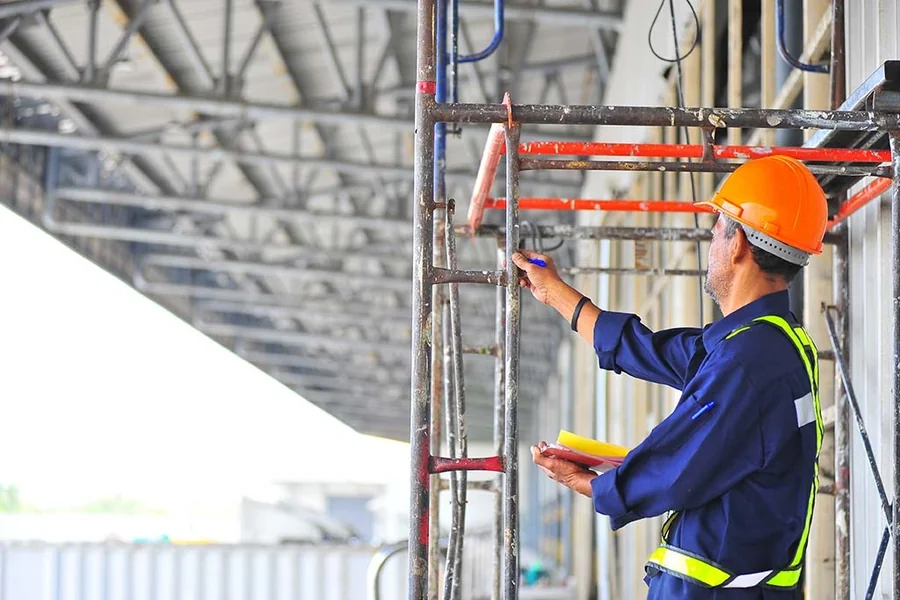
Every bold build begins long before concrete is poured or steel is bolted into place. It starts with a safe, steady platform that lets crews reach every nut, bolt, and beam without fear of falling. Scaffolding and ladders are those everyday workhorses most people overlook, yet they’re responsible for thousands of injuries each year.
By treating access equipment with the same respect given to cranes or excavators, project leaders can protect their teams, stay on schedule, and keep costs from spiraling after an avoidable mishap.
Choosing the Right Access Equipment
A jobsite is never one-size-fits-all, and the first safety misstep often happens during equipment selection. Lightweight aluminum towers are perfect for interior fit-outs, while heavier steel frames suit brickwork that creeps skyward day after day. Platform height, load rating, and wind exposure should guide the choice just as much as budget and availability.
The same goes for ladders: extension models reach eaves, step ladders rule indoor installs, and podium ladders give electricians extra elbow room. By matching gear to the task instead of forcing a compromise, supervisors eliminate dozens of small risks that add up to serious danger.
Building Safe Scaffolds from the Ground Up
Even the strongest frame is worthless on shaky soil, so a proper foundation is non-negotiable. Level footings, screw jacks, and mudsills distribute weight evenly and prevent sudden shifts when crews stack heavy materials on upper decks. Guardrails go on as soon as the second lift rises, toe boards keep tools from bouncing off, and cross-bracing locks the structure square.
Ties or guy lines connect tall runs to the building, stopping sway in gusty weather. Finally, plank inspections catch split boards before someone’s boot crashes through a rotten spot. When each of these steps becomes a habit, the scaffold feels as solid as the ground itself.
Climbing Smarter: Ladder Habits That Save Lives
Most ladder incidents look minor until you zoom in on the details: a painter stretching sideways for one more brush stroke, a plumber walking a rung ladder to save a trip down, or a tired roofer skipping the three-point contact rule. Simple discipline beats fancy gadgets every time. Workers must face the ladder, keep their hips between the rails, and move one limb at a time.
Proper angle matters too—set the feet one foot from the wall for every four feet of height—so the rails act like reliable guardrails instead of teeter-totters. And if the job calls for heavy tools, a hoist or rope bucket spares the climber from juggling weight on the way up.
Daily Checks, Housekeeping, and Ground Protection
Safety routines lose their punch if they stop after the orientation video. A five-minute morning inspection finds loose bolts, bent rungs, or missing pins before anyone leaves the ground. Keeping platforms clear of offcuts and tangled cords prevents the trip that sends a worker over the edge.
Good sites also think about the surface beneath the tower; hardwood plywood, steel plates, or construction mats spread the load, keeping scaffold legs from sinking into soft soil after rain. These practices turn safety from a poster on the fence into muscle memory that protects crews no matter how hectic the schedule becomes.
Conclusion
When scaffolds stand solid, and ladders are used with care, crews can focus on quality workmanship instead of worrying about their footing. Clear equipment choices, disciplined assembly, smart climbing habits, and relentless daily checks weave together into a safety net stronger than any single rule.
By investing time in these fundamentals, project managers set a stage where every worker goes home whole, every deadline stays intact, and every client sees a team that values craftsmanship as much as completion.