
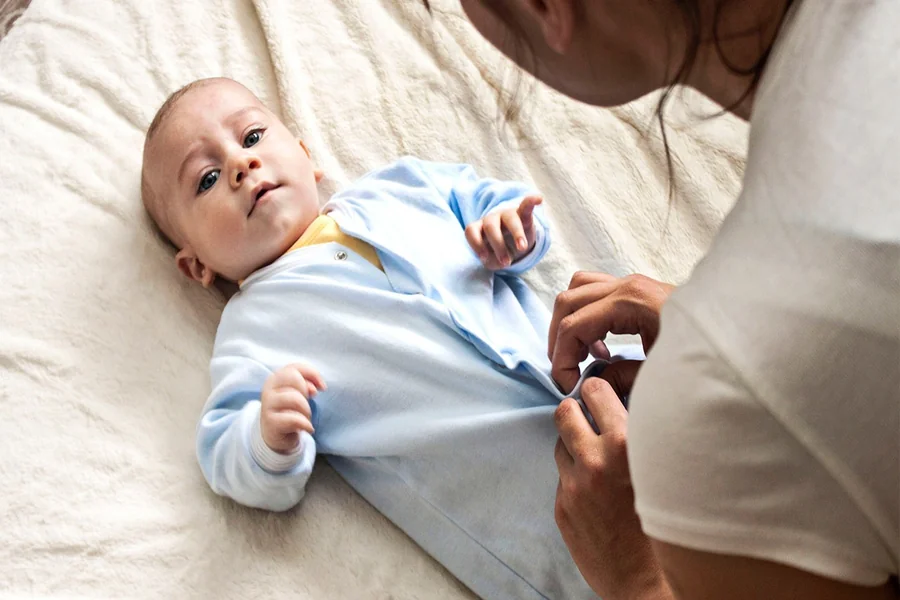
Watching your baby drift into dreamland is one of parenting’s gentlest pleasures, yet those quiet breaths come with a weighty duty: safeguarding each slumber. Decades of research have shown that clear, consistent routines can drastically lower the risk of Sudden Infant Death Syndrome (SIDS).
By following simple, evidence-backed guidelines, you can transform every nap and nighttime stretch into a haven where your infant’s tiny body rests easily—and you can, too.
Understanding Safe Sleep Basics
The cornerstone of infant sleep safety is the “ABC” rule: Alone, on their Back, in a bare Crib. Babies who snooze on their backs breathe more freely because their airway remains open and unobstructed. Sharing a room—but never a bed—during the first six months cuts the risk of SIDS by letting you respond quickly if something seems amiss.
Resist the temptation to add pillows, stuffed animals, or blankets; they may look cozy, but any soft item near a newborn’s face can block precious airflow or lead to overheating. Sticking to these fundamentals from day one sets a protective rhythm your baby will soon recognize as a comforting routine.
Creating a Risk-Free Sleep Environment
A safe crib is more than four sturdy rails. Choose a firm, tight-fitting mattress with a snug, certified sheet and nothing else on top. Keep the room comfortably cool—about 20–22 °C—to prevent your baby from becoming overheated, a known SIDS trigger. Position the crib away from cords, curtains, and windows to avoid entanglement or drafts.
If you use a wearable sleep sack instead of loose blankets, select one appropriate for the season’s warmth rating, and ensure it fits without covering the face. Finally, install a smoke detector in the nursery and maintain a smoke-free household; secondhand smoke increases SIDS risk even when babies are not in the smoker’s arms.
Monitoring and Responding to Baby’s Cues
While gadgets like video monitors and breathing sensors can offer peace of mind, your attentive presence is the strongest safeguard. Learn your infant’s normal sleep sounds and breathing patterns, noting variations such as brief pauses or soft grunts that are common during REM sleep. If your baby falls asleep in a car seat or stroller, move them to a firm, flat surface as soon as practical; semi-reclined positions can cause the head to slump and restrict airflow.
Trust your instincts—if something feels off, gently check that your baby’s chest is rising evenly and that their color looks normal. Consistent, calm observation builds confidence and reinforces your ability to spot concerns early.
Building Healthy Sleep Habits for the Future
Good habits started now will serve your child long after the crib years. Establish a soothing bedtime routine—dim lights, a warm bath, a soft lullaby—to cue the brain that sleep is near. Aim for regular bedtimes, even on weekends, to align your baby’s internal clock with predictable patterns of rest and wakefulness.
If you’re exploring holistic approaches to child development, you might consider enrolling your baby in a Montessori infant care program, where independence and respect for natural sleep rhythms are emphasized alongside safety. Remember, consistency is kinder than perfection; small, steady steps toward routine foster secure attachment and long-term healthy sleep.
Conclusion
Infant sleep safety hinges on simple, deliberate choices: a bare crib, a cool room, vigilant parents, and rhythms that honor your child’s growth. Each night, those choices weave together into a protective blanket—one made not of fabric but of knowledge, attentiveness, and love.
By committing to these practices today, you give your little one the priceless gift of safe, restorative rest—and grant yourself the peace that comes from knowing you have created the best possible start for tomorrow’s adventures.