
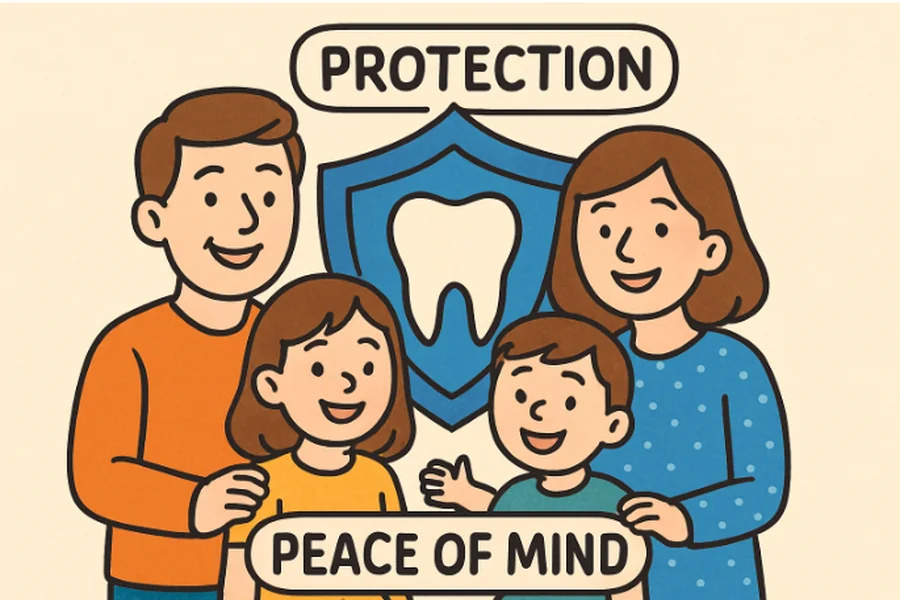
When it comes to oral health, preparation is key—but even the best-laid plans can be blindsided by unexpected dental issues and emergencies. For many families and individuals, out-of-pocket dental costs often come as a shock. This is where the value of supplemental dental coverage becomes evident. By filling in the gaps left by traditional insurance, this extra layer of protection makes it much easier to focus on your daily life instead of worrying about potential dental expenses. If you want to safeguard your family and wallet, it may be time to explore dental plans to provide greater peace of mind.
Supplemental dental policies are increasingly important as routine checkups and minor procedures often fail to account for costly, unexpected needs. Orthodontic emergencies, cosmetic fixes, and advanced treatments can stretch budgets beyond their limits. Supplemental plans are crafted to reduce this anxiety, offering practical and emotional reassurances that typical dental coverage doesn’t always provide.
Understanding Supplemental Dental Coverage
Supplemental dental insurance is specifically designed to extend your existing dental policy. Standard dental plans often cover preventive care and some basic restorative services. Still, they may leave out significant portions of potential costs, especially for major treatments like crowns, oral surgeries, or advanced orthodontia. Supplemental coverage bridges these gaps, so you won’t need to postpone necessary procedures due to high out-of-pocket fees.
This additional coverage often applies to treatments and services that are elective or considered specialty work, such as teeth whitening and orthodontics. Some plans include enhanced benefits for children’s dental work, accident protection, or treatments resulting from chronic conditions that traditional insurance may exclude. That means you get broader, more comprehensive support for your oral health.
Understanding the fine print of dental insurance policies—and recognizing what supplemental options can provide—helps consumers build a safety net that supports oral health and overall well-being. The American Dental Association points out that uninsured dental expenses are one of the top reasons people avoid care, emphasizing the growing need for broader insurance solutions.
Financial Benefits of Supplemental Coverage
Dental care can get expensive fast—especially when unplanned emergencies arise. According to a study by Delta Dental, 94% of insured adults believe their dental benefits offer significant financial value, highlighting just how crucial insurance coverage can be in protecting your bottom line.
Supplemental dental coverage is specifically targeted at bills that might cost hundreds or thousands of dollars in out-of-pocket costs. By not having to choose between important dental treatments and your family’s other expenses, you’re empowered to maintain long-term health priorities.
It’s not just emergencies that drive the value of supplemental dental insurance. An unanticipated cavity, cracked crown, or urgent root canal can be financially disruptive. A supplemental plan increases the predictability of recurring expenses, makes care more affordable, and reduces the odds of financial stress undermining your healthcare decisions. Additionally, these plans often include preventive care incentives, encouraging regular checkups and cleanings that help avoid costly procedures later. Over time, this proactive approach supports better oral health and reduces the likelihood of major dental issues developing.
Emotional Peace of Mind
Dental trauma and emergencies are not just physical but emotional experiences. The fear of the unknown, coupled with worries about the cost and accessibility of quality dental treatment, creates unnecessary stress. Knowing that your insurance has your back—covering a wider range of scenarios—can provide immense relief. In fact, the same Delta Dental research revealed that 89% of adults felt peace of mind just having dental coverage as a safety net for unexpected expenses.
Peace of mind isn’t just about emergencies, either. Regular checkups and treatment compliance are linked to improved oral health and well-being, allowing families to approach dental health proactively without the dread of hidden costs. This security helps adults keep their own appointments and make oral health a family priority—allowing children to develop lifelong healthy habits, free from anxiety about dental bills.
Choosing the Right Plan
Not all supplemental dental plans are created equal, so doing homework is key. Begin by identifying the services and providers most important to you or your family, and make sure your plan covers those essentials. Things to consider include:
- Coverage Needs: Does the plan offer comprehensive support for fillings, crowns, orthodontics, or cosmetic procedures you may need?
- Provider Network: Are your current or preferred dentists included in the network, and what is the process for seeing specialists?
- Premiums vs. Benefits: Weigh the monthly cost of premiums against your anticipated expenses, and examine the value offered by higher-tier supplemental plans.
Final Thoughts
Supplemental dental coverage is vital to your financial security and your family’s ongoing oral health. The right policy ensures you’re protected against surprises, can choose proactive care, and are positioned for lasting peace of mind. Understanding your choices and selecting a plan means committing to your smile and overall well-being and quality of life. When comparing plans, look beyond basic cleanings and check whether major procedures like crowns, root canals, or orthodontics are covered. Evaluate annual maximums and provider networks to ensure flexibility in care. If your employer doesn’t offer coverage, consider standalone supplemental policies to fill gaps left by primary insurance. Taking the time to understand your options today can save significant out-of-pocket costs and stress in the future.