
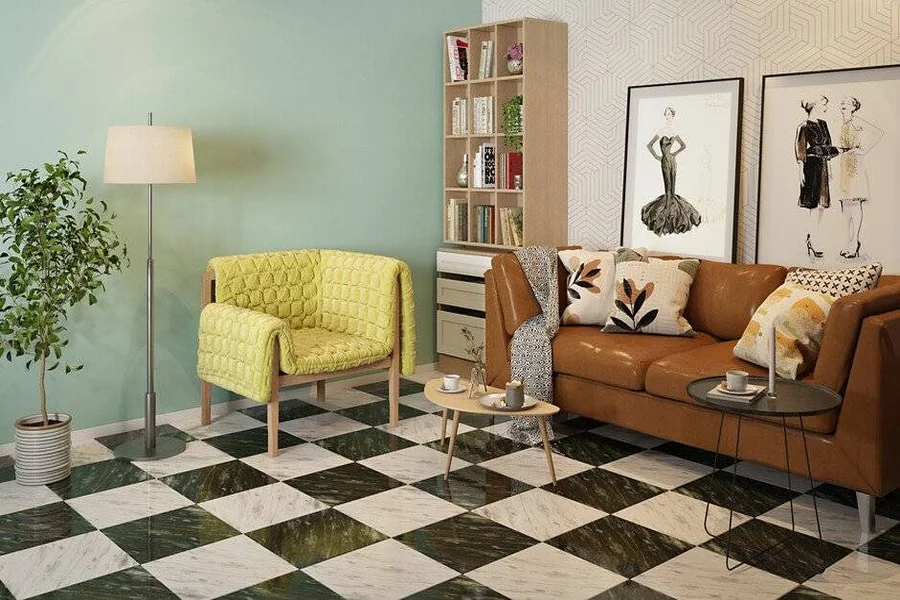
Flooring does much more than support the structure of your home. It influences how open a room feels, how light flows and how your interiors express personality. With the right tile patterns and mosaic flooring ideas, any space can instantly feel more stylish, refined and thoughtfully designed. Patterns bring structure and flow while mosaics introduce detail and craft. Together, they create homes that feel both comfortable and visually captivating.
Why Tile Patterns Can Completely Change a Space?
Tile patterns guide the eye and shape how a room is perceived. They can:
- Make compact spaces appear bigger
• Add character to plain surfaces
• Highlight important areas such as living zones or passages
• Support interior design styles such as minimal, classic or modern
Patterns don’t require bold colours or busy designs. Even subtle stone-look tiles arranged thoughtfully can create impact while keeping interiors calm.
Classic Tile Patterns That Work Everywhere
These pattern ideas are timeless and beginner-friendly, making them ideal for any homeowner exploring layouts for the first time.
• Straight Lay
Tiles placed in a simple grid keep the look clean and contemporary. Perfect for minimal homes, smooth finishes and light colour palettes.
• Diagonal Layout
Angled installation softens the room edges and creates an illusion of more space. A helpful pattern for narrow entryways or smaller kitchens.
• Checkerboard Style
A contrasting two-tile grid gives a bold yet elegant look. Works wonderfully in foyers, corridors or dining areas.
• Herringbone Pattern
This popular zig-zag layout introduces movement and a designer feel. Excellent for living rooms, feature floors or even statement walls.
• Basketweave Design
A woven effect that brings warmth and texture into vintage, rustic or classic interiors.
Mosaic Flooring Ideas That Add Artistic Flair
Mosaic flooring is made of small tile pieces arranged to form beautiful visual compositions. They add depth and delicacy to everyday surfaces, making them ideal for creative interiors.
• Floral Mosaics
Soft curves and botanical shapes bring grace to bedrooms, vanities or spa-like bathrooms.
• Geometric Mosaic Patterns
Triangles, hexagons and repeated shapes suit modern interiors and help create unique visual focal points.
• Heritage and Vintage-Inspired Mosaics
Rug-style patterns, borders or motifs instantly add historic charm, especially in verandas or traditional living spaces.
Where Mosaics Work Best in a Home?
Because mosaics can curve around edges and fill small zones precisely, they are highly versatile:
- Bathroom floors and shower areas
• Kitchen backsplashes and niches
• Entrance foyers or passage highlights
• Accent floors under dining sets
• Behind the bed as a headboard wall
• Around mirrors, arches or bathtubs
Used thoughtfully, mosaics do not overwhelm. They add interest exactly where you want it.
How to Select the Right Mosaic and Tile Layouts?
Choosing patterns and mosaics becomes easier when you think about both design and everyday practical use. A balanced decision ensures your flooring and wall surfaces stay beautiful, comfortable and purposeful for years.
1) Match Design Style With Room Purpose
The layout must support the function of the room. Open spaces such as living rooms appear more cohesive with structured patterns like straight lay or herringbone, while bedrooms feel calmer with softer directional layouts. Feature areas like entrances or alcoves can benefit from mosaic detailing that adds personality without overwhelming the room.
2) Choose Finishes Based on Usage
Always consider how the surface will be used daily. Wet areas need tiles with grip, polished finishes suit low-moisture zones, and outdoor spaces require surfaces that withstand weather changes. The right finish enhances comfort and keeps movement safe in every part of your home.
3) Ensure Durability and Maintenance Ease
Strong materials such as vitrified and porcelain mosaics ensure long-term performance, especially in kitchens, balconies and other high-activity areas. Surfaces designed with low porosity reduce staining and are easier to clean. Premium suppliers like Simpolo Tiles & Bathware enhance this reliability with antibacterial technology and visualisation tools that help finalise designs confidently before installation.
4) Balance Patterns With Plain Elements
Patterns should guide the eye, not dominate the entire room. When pairing mosaics with patterned tiles, use them selectively in areas you want to highlight. Keeping surrounding spaces simple helps maintain harmony and ensures the design feels elegant and intentional.
5) Consider Tile Size for Correct Proportion
The scale of the tile should complement the size and layout of your room. Larger tiles make spaces look more open and seamless, while smaller tiles or mosaics add detail to compact or curved areas. Choosing the right size prevents visual clutter and creates a well-proportioned interior.
Pairing Patterns and Mosaics Together Cleverly
Patterns and mosaics can support each other beautifully. Here are some balanced ideas:
- A straight lay floor with a herringbone feature wall
• Mosaic borders framing a neutral living room floor
• Pattern tiles throughout the room with only the vanity highlighted in mosaic
• A defined mosaic motif under your dining table
• A geometric mosaic accent wall paired with plain floor tiles
Design Confidence Comes From The Right Tile Plan
The key to a refined home lies in how patterns and mosaics are arranged, not just which tiles you buy. A good layout enhances light, improves room proportions and elevates your interiors with very little effort. Whether you are designing a soothing bedroom or a dramatic entryway, thoughtful use of patterns and mosaics can make everyday living feel more special.
Experiment with shapes, introduce subtle movement and let flooring become an expression of your personality. When design meets functionality, your home becomes a truly memorable space.