
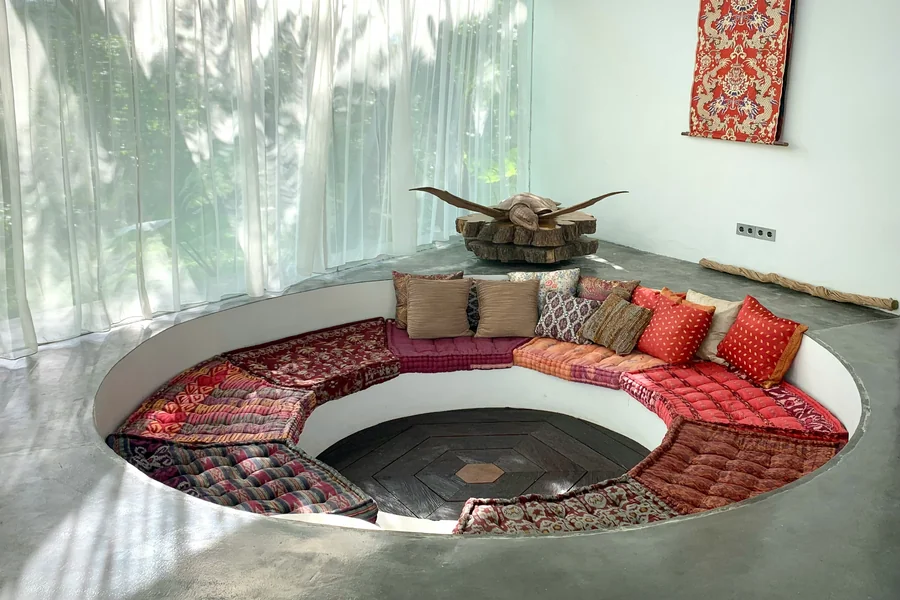
Design always circles back to its roots, even as trends shift and technology accelerates the pace of change. In recent years, a renewed appreciation for heritage, craftsmanship, and cultural symbolism has converged with a growing appetite for interiors that feel fresh, expressive, and deeply personal. This intersection has sparked a movement toward reinterpreting traditional motifs through the lens of contemporary color palettes.
Traditional motifs carry stories in their lines, drawn from centuries-old textiles, architectural details, spiritual iconography, or ritual objects. They remind us that the decorative arts once served purposes beyond ornamentation: meaning, memory, protection, celebration. Integrating these motifs into 21st-century interiors allows them to live on, but in ways that feel aligned with modern aesthetics rather than preserved behind museum glass. Achieving that balance requires a nuanced approach, honoring the origins thoughtfully to integrate them into modern interiors.
Why Motifs Matter in Modern Interiors
Motifs are the connective tissue of cultural design. They appear in embroidery, pottery, woodcarving, metalwork, weaving, painting, and architectural decoration. Regardless of their cultural origin, motifs are visual shorthand for identity. They encode histories and values, often carrying symbolic functions: amplifying prosperity, guarding against misfortune, and affirming community.
When introduced into contemporary rooms, motifs add dimension beyond style alone. They can correct the sterility of ultra-minimalist spaces by providing tactile detail and subtle ornament. They can soften industrial environments through an organic pattern. They can inject story into new construction, giving a sense of depth and intentionality. More importantly, motifs generate emotional resonance: a feeling of connection that transcends trend cycles.
This emotional value explains why traditional motifs align so effectively with the modern desire for authenticity. Interior design is moving away from disposable décor and toward pieces with longevity, artistry, and narrative. Motifs, with their lineage and symbolic richness, offer precisely that.
Preserving the vibrancy of these traditional motifs requires more than just a thoughtful color selection; it also involves maintaining the physical integrity of the surfaces they occupy. In homes where ornate floor patterns or heritage-inspired rugs serve as the primary focal point, professional care becomes essential to ensure the colors do not fade or become clouded by everyday debris. Localized maintenance like carpet cleaning windermere ensures that intricate designs remain crisp and the underlying textures stay supple against modern furniture. This careful attention to cleanliness allows the deep indigos and earthy terracottas of traditional artistry to shine with their intended brilliance, creating a polished environment where history and modern living coexist in perfect harmony.
The Role of Color in Reinvention
Color is the most powerful tool for bridging the past and the present. While motifs themselves carry structure and symbolism, their emotional impact comes primarily from hue. Many traditional patterns were historically executed in natural dyes derived from plants, earth, and minerals, yielding palettes that were rich but often limited: deep indigo, terracotta, charcoal, oxblood, ochre, and faded vegetal greens.
Contemporary color palettes, in contrast, can be anything from soft neutrals to saturated jewel tones or unexpected pastels. Reimagining traditional motifs through these modern palettes breaks them free from expectations and allows them to inhabit new contexts.
A textile featuring a centuries-old geometric pattern can appear daring and architectural when rendered in stark blacks and whites. A floral motif with folkloric origins becomes abstract and sculptural when translated into dusty pinks and muted mauves. A classical border pattern gains graphic punch when updated with sharp contrasts like citron and midnight blue. Color reframes context, shifting visual language without erasing structure.
From Textile to Surface: Where Motifs Thrive Today
Traditional motifs are extraordinarily versatile and migrate easily across surfaces, making them ideal tools for experimenting with modern palettes. Textiles remain the most common home for pattern: throws, cushions, upholstery, rugs, and bedding are natural canvases for motif-driven design. Their tactile quality enhances the expressive potential of color, allowing motifs to feel soft, layered, and dimensional.
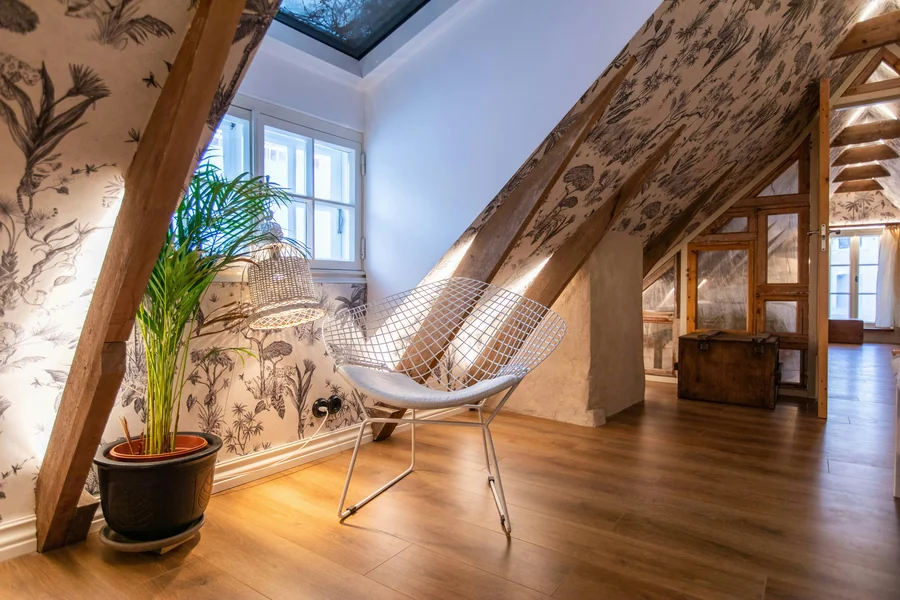
Beyond textiles, motifs have found renewed relevance in wallpapers, where oversized prints can turn a small powder room or reading nook into a cocoon of pattern. Contemporary wallpaper designers often scale motifs dramatically larger than their historical counterparts, using color to keep them airy and current. A simple two-tone palette, for example, sage against ivory, or charcoal against sand, can transform even ornate motifs into sophisticated backdrops.
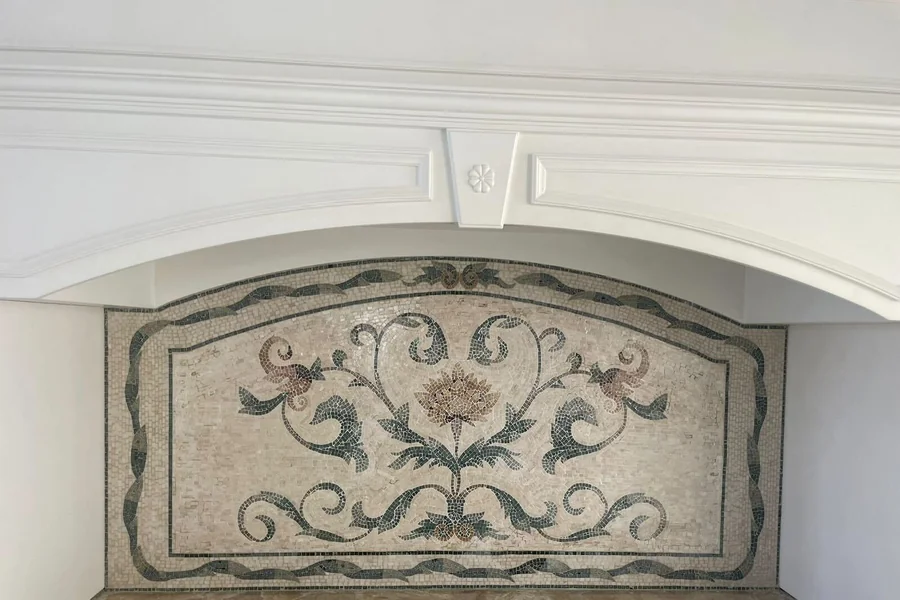
Ceramics also offer a fertile ground for reinterpreting tradition. Glazed tiles with heritage-inspired patterns become strikingly modern when produced in monochrome or muted tones. Floors and backsplashes can incorporate motifs in subtle ways, such as tone-on-tone variations that reveal pattern only when light shifts. Even a single accent surface, like a niche lined with tiles featuring a reframed classic motif, introduces texture without overwhelming the room.
For those who prefer artful statements, patterns can appear in framed prints, tapestries, or carved wall panels that reinterpret traditional designs with contemporary proportions and color families. Incorporating them as art allows for experimentation without committing to permanent architectural changes.
In some design-forward homes, motifs even appear in unexpected sculptural applications, such as on room dividers or perforated metal screens. These subtle uses allow pattern to influence ambiance without dominating visual space.
How to Work With Scale and Proportion
Color alone cannot modernize a motif; its scale and placement also matter. Traditional motifs were often designed for specific functional applications, such as repeating patterns on textiles or symmetrical arrangements on ceremonial objects. When translating them into contemporary interiors, adjusting scale transforms the entire mood.
Large-scale motifs create a bold, modern feel. When a familiar pattern is magnified far beyond its historic proportions, it reads as graphic rather than nostalgic. A single oversized motif can function as a focal point on a wall or furniture piece, almost like an abstract painting.
Medium-scale motifs tend to be the most versatile, functioning well in textiles and wallpaper where they provide rhythm without overwhelming the eye. They allow rooms to breathe while still adding the storytelling aspect of pattern.
Small-scale motifs deliver a delicate, intricate quality, especially effective in rooms with a serene or minimalistic character. When paired with a monochromatic palette, small motifs can create an almost textural effect: a pattern that feels more like a subtle weave than a decorative statement.
Balancing scale is essential. Too many competing motifs, each in its own ambitious palette, can fracture cohesion. A successful space often lets one motif take center stage while others recede into supporting roles.
Creating Harmony With Neutrals and Accents
A contemporary color palette doesn’t necessarily mean bright or experimental hues. In fact, many designers use neutrals to make motifs feel more sculptural than decorative. Neutrals allow patterns to stand apart from their historic color associations and blend seamlessly with minimalist interiors.
When motifs are rendered in shades of chalk, sand, or taupe, they acquire an architectural quality, especially when applied to walls or ceramics. This approach works well for homeowners who appreciate the appeal of traditional forms but prefer quiet spaces.
Conversely, using motifs as vehicles for accent colors can energize a room without overwhelming it. A single patterned cushion or textile featuring a vibrant reimagining of a cultural motif can spark life in an otherwise subdued palette. These controlled bursts of color make motifs feel intentional, not ornamental.
The key is harmony. Contemporary palettes often rely on collections of tones that share temperature or saturation. Warm terracotta, blush, and sienna; cool sage, celadon, and forest; or bold cobalt, ink, and slate: cohesive family groupings ensure that even traditional motifs appear naturally integrated.
The Minimalist Approach to Pattern
Minimalist design is not inherently hostile to traditional motifs. In fact, minimalism can amplify the beauty of a pattern by surrounding it with negative space. When motifs become the sole decorative element in an otherwise streamlined environment, their cultural weight and visual intricacy are highlighted.
Achieving this balance requires restraint. A single motif-bearing rug, placed in a room with clean lines and a quiet palette, becomes an anchor without disrupting simplicity. A headboard upholstered in a motif-driven fabric can create tension between modern shapes and traditional imagery.
Minimalist spaces benefit from motifs rendered in muted tones or monochrome. This approach allows form to speak more loudly than color. A motif executed in shades of gray, black, or cream can evoke its heritage lineage while appearing distinctly contemporary.
Texture also supports minimalist reinterpretations. Embroidered patterns in tone-on-tone threads, carved motifs in natural wood, or raised relief patterns on plaster walls allow motifs to inhabit space with nuance rather than force.
Motifs in Architectural Elements
One of the most impactful ways to incorporate motifs is through built-in architectural features. Decorative screens, coffered ceilings, carved banisters, or patterned plasterwork reinterpret motif traditions within structural components. When paired with a modern palette, the result is both sculptural and serene.
Bathrooms and kitchens are particularly effective environments for motif experimentation through tile. A backsplash drawn from historical patternwork but recolored in smoky blues or soft neutrals becomes a conversation piece that remains timeless. Even a single accent wall lined with artisan tiles can elevate the architecture of the room.
In some spaces, motifs appear through large-scale installations such as contemporary reinterpretations of mosaic artwork. These applications work best when the color palette is restrained, allowing the pattern and craftsmanship to speak without overwhelming the space.
Even more subtle is the integration of motifs through lighting elements, carved furniture, or hardware. Handles, knobs, brackets, and sconces can incorporate motif-inspired forms, adding nuance to rooms where large-scale patterning would feel like too much.
Contrasting Old Structure with New Color
The most compelling use of traditional motifs often involves pairing ancient forms with distinctly modern colors. Imagine a classical damask pattern rendered in inky charcoal against bone white, or a tribal geometric motif transformed in shades of lavender and sand. These juxtapositions create tension, the satisfying kind that sparks visual interest.
The unexpectedness of color recontextualizes the motif, preventing it from feeling heavy or nostalgic. It also allows the motif to participate in color stories that align with current trends, whether they involve earth tones, monochromes, or soft pastels.
This approach is particularly effective in spaces with a mix of vintage and new furnishings. When motifs are recolored, they become bridges between eras, tying together old-world craftsmanship and modern silhouettes.
When Pattern Takes Center Stage
Some rooms demand boldness, and motifs can rise to the occasion. Large-scale pattern installations create immersive environments where motif and color work in tandem to shape atmosphere.
This can be particularly striking in transitional spaces like entryways or hallways, where pattern can introduce personality before opening into more neutral rooms. In living spaces, a dramatic motif used on a feature wall or an expansive rug can ground the visual identity of the entire home.
The key to success in more assertive applications is ensuring that the palette remains cohesive, even if lively. Saturated tones can work harmoniously when anchored by a unifying base color or a shared temperature.
In homes where pattern plays a starring role, motifs can even appear across multiple surfaces, though consistency is essential. Variation in scale or color intensity helps prevent visual fatigue while preserving a unified story.
Extending Motif Influence Outdoors
Outdoor spaces provide additional opportunities for motif integration. Furniture cushions, garden screens, planters, and exterior tilework can all play host to reinterpretations of heritage patterns. Outdoor palettes often draw from nature, which pair beautifully with the organic geometry of many traditional motifs.
Even structural elements like gates or metalwork can echo motifs, lending artistic expression to exteriors without overwhelming natural surroundings. A courtyard featuring a mosaic wall, for instance, can reinterpret historical patterns through fresh, luminous colors that catch shifting light.
These exterior applications blur boundaries between indoor and outdoor aesthetics, resulting in a cohesive, story-driven home environment.
Embracing Cultural Crossovers Responsibly
Using traditional motifs in modern design comes with the responsibility of cultural sensitivity. These patterns carry meaning, and not all motifs should be abstracted or removed from context. Designers and homeowners should research origin stories, understand symbolism, and support artisans who continue to preserve these craft traditions.
Ethical sourcing plays a role as well. Purchasing textiles, ceramics, and artworks from craftspeople or cooperatives ensures that cultural knowledge is acknowledged rather than appropriated. Many contemporary designers now collaborate directly with artisans, creating pieces that merge heritage techniques with modern palettes in ways that benefit both creators and consumers.
Mindfulness in this area doesn’t limit creative freedom. Understanding the cultural resonance of motifs leads to more intentional design decisions and spaces that feel both celebratory and respectful.