
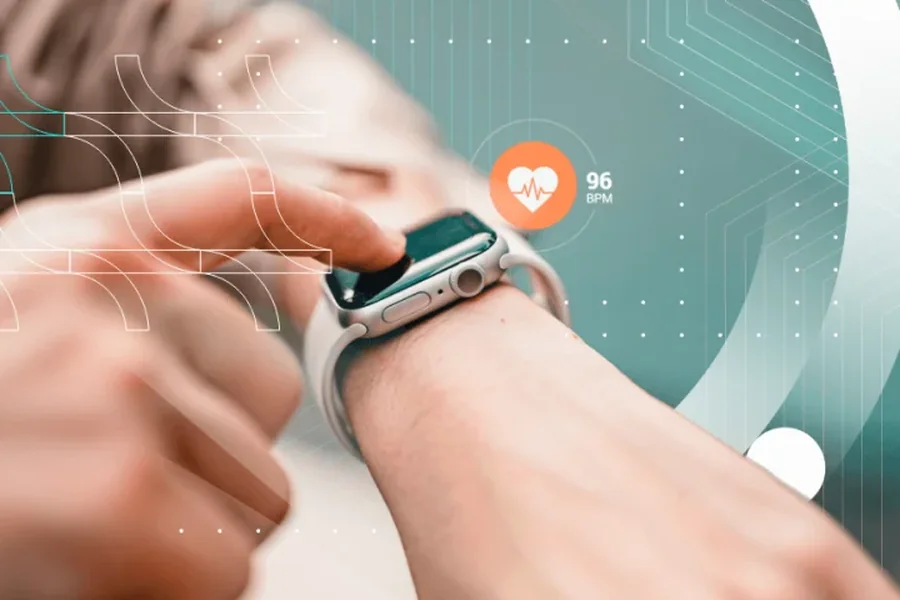
The Rise of Wearable Technology in Everyday Life
The growth of wearable technology has become one of the most noticeable trends in modern innovation. From simple step counters to advanced smartwatches, these devices have gradually become a part of daily routines for millions of people. What once seemed like a futuristic concept is now something you can see on wrists, in clothing, and even embedded in accessories.
Wearables are designed to blend seamlessly into everyday life. Unlike traditional gadgets, they are not something you pick up and put down. Instead, they stay with you, constantly collecting data, offering insights, and helping you make better decisions throughout the day. This convenience has played a major role in their widespread adoption.
As technology continues to advance, wearable devices are becoming more sophisticated, accurate, and useful. They are no longer just about counting steps or tracking calories. Today, they can monitor heart rate, sleep patterns, stress levels, and even detect irregular health conditions. This shift has made them valuable tools for both personal use and professional healthcare.
Health and Fitness Benefits That Matter
One of the biggest reasons behind the popularity of wearables is their impact on health and fitness. These devices encourage people to stay active and mindful of their physical condition. By providing real-time feedback, they help users understand how their bodies respond to daily activities.
Wearable technology allows individuals to set goals and track progress over time. Whether it’s reaching a certain number of steps, improving sleep quality, or maintaining a consistent workout routine, these devices make it easier to stay motivated. The sense of achievement that comes from meeting daily targets can significantly improve long-term habits.
Many wearables now include advanced health monitoring features. Heart rate tracking, blood oxygen levels, and even ECG readings are becoming standard in high-end devices. These features are not just useful for fitness enthusiasts but also for individuals who want to keep an eye on their overall health.
For more insights on how technology is shaping modern lifestyles, you can check out techpora for useful updates and trends.
In addition to physical health, wearables are also helping with mental well-being. Features like guided breathing exercises, stress tracking, and mindfulness reminders are becoming increasingly common. These tools help users take a step back, relax, and manage stress more effectively.
Convenience and Everyday Efficiency
Beyond health benefits, wearable technology offers unmatched convenience. One of the most appealing aspects of these devices is how they simplify everyday tasks. With a smartwatch, for example, you can check notifications, answer calls, and even make payments without pulling out your phone.
This level of accessibility saves time and makes multitasking easier. Whether you’re in a meeting, working out, or commuting, wearables allow you to stay connected without constant interruptions. They act as an extension of your smartphone, delivering essential information right when you need it.
Voice assistants integrated into wearable devices further enhance their usability. With simple voice commands, users can set reminders, send messages, or get directions. This hands-free functionality is especially useful in situations where using a phone is inconvenient or unsafe.
Wearables also play a role in improving productivity. Features like calendar alerts, task reminders, and quick replies help users stay organized throughout the day. Over time, these small efficiencies add up, making daily routines smoother and more manageable.
The Role of Wearables in Safety and Security
Safety is another area where wearable technology is making a significant impact. Many devices now come with emergency features that can detect accidents or unusual activity. For example, some smartwatches can automatically alert emergency contacts if they detect a fall or sudden impact.
Location tracking is another important feature. It allows users to share their real-time location with family members or friends, providing an added layer of security. This is particularly useful for children, elderly individuals, or people who travel frequently.
Wearables are also being used in professional environments to improve safety. In industries like construction or manufacturing, smart helmets and wearable sensors can monitor worker conditions and alert them to potential hazards. This proactive approach helps prevent accidents and ensures a safer working environment.
Personal safety features, such as panic buttons or SOS alerts, are becoming more common as well. These tools provide peace of mind, especially for individuals who may feel vulnerable in certain situations. With just a tap, they can quickly reach out for help. For more tips and resources on related topics, you can explore Marathi Birthday.
Integration with Smart Ecosystems
The growth of wearable technology is closely linked to the rise of smart ecosystems. Wearables are no longer standalone devices; they are part of a larger network that includes smartphones, smart homes, and connected services.
For example, a smartwatch can sync with your phone to provide notifications, control music, or even manage smart home devices. You can adjust your thermostat, turn off lights, or lock doors directly from your wrist. This level of integration creates a seamless and connected experience.
Data synchronization is another key advantage. Wearables collect a vast amount of information, which can be analyzed and stored across multiple platforms. This allows users to access their data anytime and gain deeper insights into their habits and behaviors.
Developers are continuously creating new apps and features that expand the capabilities of wearable devices. From navigation tools to language translation, the possibilities are constantly growing. This ongoing innovation ensures that wearables remain relevant and useful in a rapidly changing tech landscape.
Challenges and Future Potential
Despite their many benefits, wearable devices are not without challenges. One of the main concerns is data privacy. Since these devices collect sensitive personal information, ensuring that data is secure is crucial. Companies must continue to improve their security measures to maintain user trust.
Battery life is another limitation. While wearables are becoming more powerful, they still require frequent charging. Improving battery efficiency is a key area of focus for manufacturers.
There is also the issue of cost. High-quality wearable devices can be expensive, which may limit accessibility for some users. However, as technology advances and production scales increase, prices are expected to become more affordable over time.
Looking ahead, the future of wearable technology is incredibly promising. Innovations like smart clothing, augmented reality glasses, and advanced health monitoring tools are already in development. These advancements will further expand the role of wearables in everyday life.
Artificial intelligence and machine learning are also set to play a major role. By analyzing user data more effectively, wearables will be able to provide even more personalized recommendations and insights. This will make them not just reactive tools but proactive assistants that help users improve their lives.
Final Thought
The growth of wearable technology is shaping the way people interact with the world around them. What started as simple fitness trackers has evolved into a powerful category of devices that enhance health, convenience, safety, and connectivity.
As these technologies continue to develop, their impact will only grow stronger. Wearables are not just a trend; they are becoming an essential part of modern living. With ongoing innovation and improved accessibility, they have the potential to transform everyday experiences in ways that were once unimaginable.