
The Australian summer brings long beach days, outdoor barbecues, and memorable road trips. However, the soaring temperatures also bring a unique set of challenges for drivers. Anyone who has opened a vehicle door on a sweltering January afternoon knows the feeling of being hit by a wall of intense, suffocating heat. Beyond the immediate discomfort, extreme cabin temperatures can pose significant risks to your health and cause irreversible damage to the interior of your vehicle.
The Hidden Dangers of a Parked Car
It is easy to underestimate just how quickly a closed cabin traps solar radiation. Even on days that feel manageable outside, the greenhouse effect transforms your vehicle into an oven. According to the Royal Automobile Club of Victoria, tests have shown that vehicle interiors can reach more than 70 degrees Celsius in just minutes when the outside temperature is only 30 degrees Celsius. This rapid spike is not just deeply uncomfortable, but it creates a hazardous environment for any passengers or pets accidentally left inside.
At the same time, this trapped heat is baking your dashboard, steering wheel, and leather upholstery. For further advice on vehicle care, check out magicalai for effective tips. Plastics can warp, electronics can fail, and fabrics can fade under this relentless assault from ultraviolet rays.
Essential Cooling Strategies Before You Drive
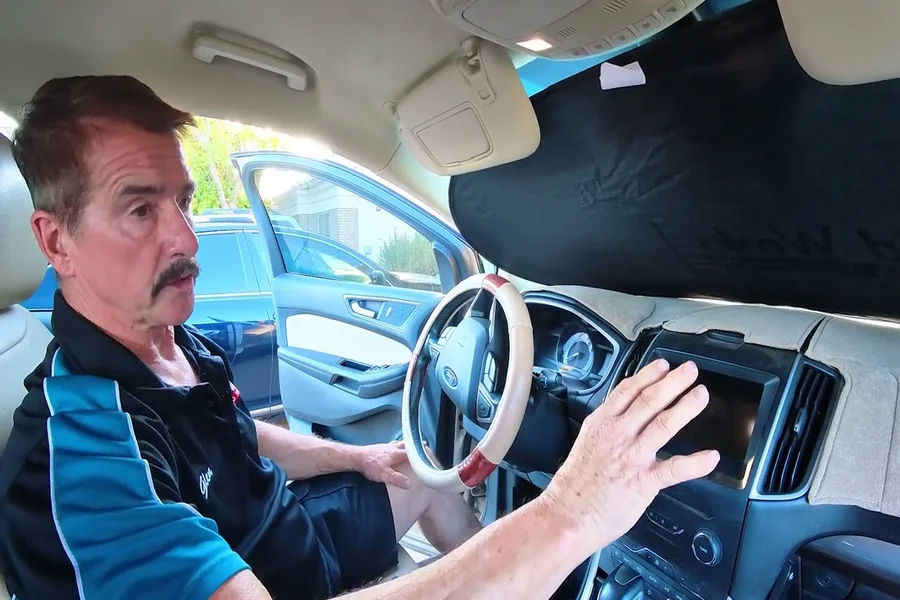
To combat this extreme heat, preventative measures are absolutely crucial. Whenever possible, park in a garage, under a carport, or in the shade of a large tree. If you must park in the direct sun, blocking the heat before it enters the cabin is the most effective approach. Investing in a high-quality car front sunshade significantly reduces the amount of solar radiation penetrating the glass. By reflecting the sun away, these accessories keep the steering wheel cool to the touch and drastically lower the overall ambient temperature inside the cabin.
Additionally, leaving your windows cracked just a few millimetres allows trapped hot air to escape. This creates a slight cross-breeze that prevents the greenhouse effect from reaching its peak, though you should only do this in secure areas to prevent theft or weather damage. Covering child seats with a light-coloured towel also provides an extra layer of protection, ensuring metal buckles do not burn delicate skin.
Personal Comfort and Hydration on the Go
Preparing your vehicle is only half the battle. Surviving summer road trips or long daily commutes also requires taking care of your personal wellbeing. The intense radiant heat passing through the windows can leave you feeling drained, fatigued, and severely dehydrated. Ensuring you have an icy drink readily available is just as vital as checking your tyre pressure.
For example, if you are planning a trip, bringing along a reliable insulated bottle makes a world of difference. You can read a great guide on how to beat the heat this summer with the best bottle in the market, which explores how double-wall stainless steel options keep liquids perfectly chilled for up to 24 hours in a hot cabin. Staying hydrated keeps you alert and focused, drastically reducing the risk of fatigue-related errors behind the wheel.
Long-Term Interior Protection
Sun damage happens cumulatively over time. While the immediate focus is often on cooling down the cabin for driver comfort, considering the longevity of your interior surfaces is just as important. The harsh Australian sun can deteriorate high-quality leather and cause synthetic materials to crack prematurely. Using an automotive-specific UV protectant spray on your dashboard, door panels, and vinyl surfaces can nourish the materials and add a layer of defence against harmful radiation. It is recommended to apply these products every few weeks during the peak summer season.
Furthermore, consider investing in custom window tinting. High-quality tints are designed to reject a significant percentage of solar energy and block up to 99 percent of UV rays without compromising visibility. When combined with practical habits like parking strategically and deploying physical shades when stationary, your vehicle will be far better equipped to handle the relentless summer glare.
Emergency Preparedness for Hot Weather Travel
When planning a longer road trip across rural or outback Australia, the risk of a breakdown in extreme heat becomes a serious concern. Being stranded on a sun-baked highway requires serious preparation to ensure everyone remains safe while waiting for roadside assistance. Always carry an emergency kit tailored specifically for summer conditions. Essential items should include:
- At least five litres of extra drinking water per person.
- Non-perishable, heat-resistant snacks like muesli bars or dried fruit.
- A wide-brimmed hat, sunglasses, and high-SPF sunscreen for every passenger.
- A reflective warning triangle and a fully charged power bank to keep your phone active.
- Basic first-aid supplies to treat minor injuries or heat exhaustion symptoms.
By taking these extra precautions, you can confidently embark on your holiday knowing you are ready for the unpredictable nature of summer driving.
Maintenance Tips for Summer Driving
A cool cabin also depends on a healthy vehicle. Summer heat puts enormous strain on your mechanical components, making regular maintenance non-negotiable. Before the hottest months arrive, take time to review these essential checks:
- Test your air conditioning system to ensure it blows ice-cold air. If it feels weak, it may need a professional regas or a new cabin filter.
- Check your engine coolant levels. The cooling system works overtime in summer, and running low can lead to a dangerously overheated engine.
- Inspect your wiper blades and top up your washer fluid. Summer storms can appear suddenly, and intense heat can cause rubber blades to crack and perish.
- Monitor your tyre pressure regularly. Hot bitumen increases tyre temperature, leading to over-inflation and a much higher risk of blowouts.
Navigating the Australian summer does not have to be a miserable, sweaty experience. By understanding the risks of extreme cabin heat, taking proactive steps to block the sun, and staying properly hydrated, you can make every journey comfortable. A little bit of preparation goes a long way in protecting both your vehicle and yourself during the hottest time of the year.