
Weather plays a major role in shaping how emergencies occur and how people respond to them. From heatwaves and blizzards to thunderstorms and floods, changing environmental conditions can turn everyday situations into life-threatening events. First aid responders and bystanders alike must adapt their techniques and precautions to the weather at hand. Knowing how temperature, humidity, and other factors influence the body and the environment helps ensure that care is delivered safely and effectively.
The Impact of Heat on Emergencies
Hot weather poses unique dangers, especially for children, older adults, and those with medical conditions. Prolonged exposure to high temperatures can lead to heat exhaustion or heat stroke, where the body loses its ability to regulate temperature. Symptoms such as dizziness, nausea, headache, and confusion signal that immediate action is needed.
First aid for heat-related illnesses focuses on cooling the body quickly. Move the person to a shaded area, remove excess clothing, and apply cool, wet cloths to their skin. Offer small sips of water if they are conscious and able to drink. In severe cases of heat stroke—where the person stops sweating or loses consciousness—call emergency services immediately.
Dehydration is another heat-related issue that can complicate first aid. A responder must recognize when victims are too weak or disoriented to assist themselves and provide support without overexerting in the same heat conditions.
Cold Weather Challenges
Cold weather brings its own set of risks, including hypothermia and frostbite. Hypothermia occurs when the body’s core temperature drops below normal, leading to confusion, slowed breathing, and eventual loss of consciousness. Frostbite damages skin and tissue, usually affecting fingers, toes, and the face.
In these cases, first aid requires gentle rewarming. Move the victim indoors or to a sheltered area, remove wet clothing, and wrap them in warm blankets. Avoid direct heat sources like hot water or fires, which can cause burns or shock. Offer warm, sweet drinks if the person is alert, but never alcohol—it accelerates heat loss.
Cold conditions also affect how emergency teams operate. Response times can increase due to icy roads or heavy snowfall, making it even more critical for bystanders to provide effective first aid before help arrives.
Rain, Floods, and Wet Environments
Wet conditions increase the risk of slips, falls, and electrical hazards. In addition, flooding can lead to drowning incidents, contaminated water exposure, and hypothermia from prolonged immersion. First aid in these environments begins with safety—never enter floodwaters or attempt a rescue without proper equipment.
If someone is rescued from water, always check for signs of shock and hypothermia. Wet clothing should be removed, and the person should be covered with blankets to restore warmth. Even if they appear fine, medical evaluation is essential since secondary drowning—caused by fluid in the lungs—can occur hours later.
In rainy conditions, the first responder must also protect themselves. Wet surfaces can make it difficult to kneel or move safely, and soaked clothing may interfere with performing CPR or applying bandages. Adapting positioning and using available materials like plastic sheeting can help maintain control of the situation.
Wind and Storm Hazards
High winds and storms can cause falling debris, broken glass, and structural collapses. These conditions often lead to lacerations, fractures, or head injuries. When responding, always assess the environment for hazards such as power lines or unstable structures before providing first aid.
Once it’s safe to approach, prioritize stopping bleeding and stabilizing injuries. Apply firm, direct pressure to wounds using sterile dressings or clean cloths. For fractures, immobilize the affected limb with a splint or soft padding. Keep the person warm and still until professional help arrives.
Strong winds also complicate outdoor CPR and bandaging efforts, as dust or debris may blow into wounds or obstruct breathing. In these situations, it’s best to move the victim to a sheltered location whenever possible.
How Humidity Affects Medical Response
Humidity doesn’t just make the weather uncomfortable—it changes how the body reacts to stress. High humidity prevents sweat from evaporating efficiently, causing body temperature to rise faster. This increases the likelihood of heat-related illnesses, especially during physical activity.
For first aid responders, high humidity can cause fatigue and dehydration, reducing their ability to provide effective care. In contrast, low humidity can dry out mucous membranes, worsening respiratory issues for those with asthma or allergies. Responders must stay hydrated and monitor their own health while assisting others.
The Role of Training in Adapting to Weather
Emergency response skills aren’t one-size-fits-all. Different weather conditions demand specific adjustments in first aid technique, clothing, and preparation. For instance, performing CPR in extreme heat requires frequent rotation between rescuers to prevent exhaustion, while in freezing temperatures, rescuers must minimize time with exposed hands to avoid frostbite.
Courses like cpr london Ontario teach individuals not just how to perform CPR and first aid but how to adapt these skills across various environments. Proper training emphasizes personal safety, environmental awareness, and the importance of acting quickly despite challenging conditions.
First Aid During Natural Disasters
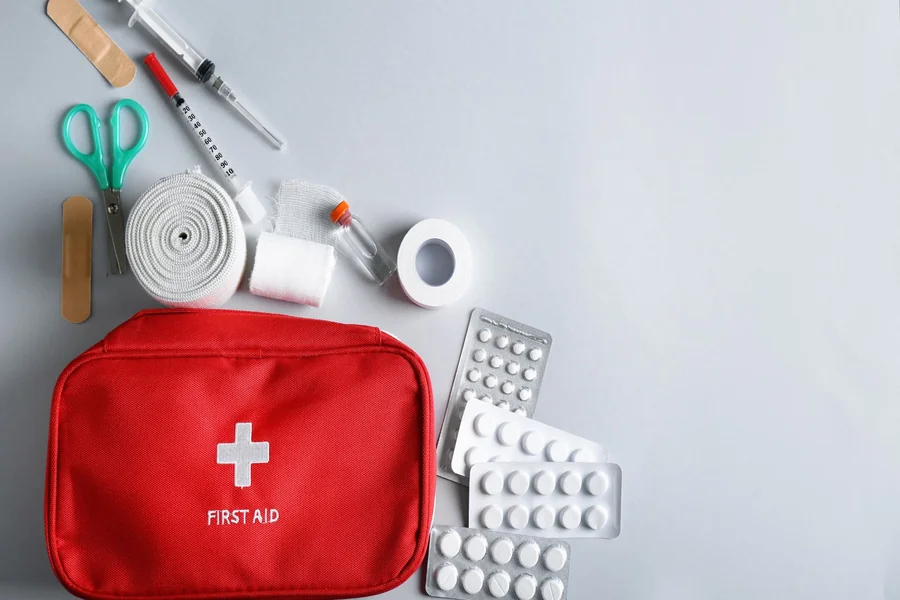
Natural disasters—such as hurricanes, blizzards, or wildfires—combine multiple weather threats at once. Access to emergency services may be limited, making community preparedness essential. In wildfire-prone areas, proactive home hardening strategies, including the installation of flame and ember resistant vents, can help reduce the risk of wind-driven embers entering structures and igniting interior spaces. First aid kits should be stored in waterproof, portable containers, with supplies like thermal blankets, water purification tablets, and extra gloves to handle different weather extremes.
During disasters, first aid often extends beyond individual injuries. Rescuers may need to treat burns from fires, dehydration from heat exposure, or fractures from collapsed structures. Communication, teamwork, and awareness of changing conditions are key to keeping everyone safe.
How Weather Affects Equipment and Supplies
Extreme temperatures can impact the effectiveness of medical supplies. Bandages, ointments, and medications can deteriorate when exposed to high heat, while freezing conditions can stiffen elastic bandages or crack plastic packaging. Always store first aid kits in temperature-controlled areas, and check them regularly for expired or damaged items.
If you’re outdoors, keep supplies in insulated or waterproof pouches to protect them from weather damage. This ensures that when an emergency strikes, your equipment works as intended.
Preparing for Weather-Specific Emergencies
Being proactive is the best defense against weather-related risks. Stay informed about local forecasts, especially when planning outdoor activities. During heatwaves, schedule breaks in shaded areas and drink plenty of fluids. In cold weather, wear layers, keep emergency blankets handy, and check on vulnerable individuals.
Homes and workplaces should maintain safety plans for power outages, floods, or severe storms. Knowing where your first aid kit and emergency gear are located can save valuable time when conditions deteriorate.
Conclusion
Weather affects every stage of emergency response—from how accidents happen to how first aid is delivered. Each environment presents unique challenges, requiring adaptability, awareness, and preparation. Whether it’s heat, cold, rain, or wind, understanding these factors allows responders to act efficiently and safely.
Preparedness begins with education. By learning to recognize weather-related risks, maintaining reliable first aid supplies, and gaining practical training, you can protect yourself and others no matter the conditions. Emergencies can strike in any season—but with knowledge, composure, and readiness, you can ensure that help is always within reach.