
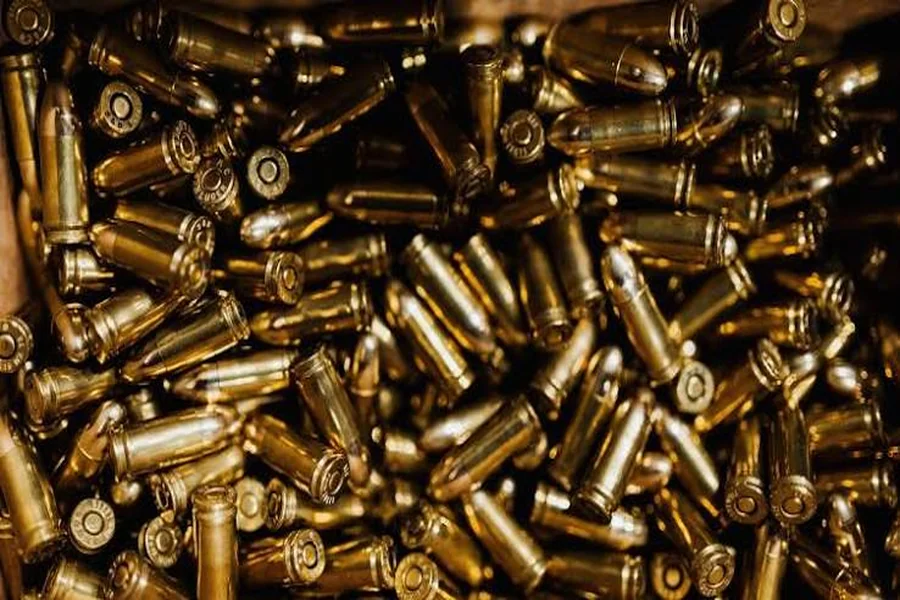
Gun laws in Washington, DC can be strict. The rules don’t stop with the firearm itself. They can also apply to the ammunition you buy, keep, carry, or use. That can catch people off guard. A box of ammunition may seem simple. Yet DC law can make possession a legal issue based on your firearm registration, the type of ammunition, and the reason you have it. If you’re unsure about your rights, a DC Gun Lawyer can help explain how the rules apply to your case.
DC Law Treats Ammunition Seriously
DC law generally links lawful ammunition possession to firearm registration. Under DC Code § 7-2506.01, a person may possess ammunition when they hold a valid registration certificate for a firearm. The law also lists certain exceptions for licensed dealers and some government workers. This means a person can’t assume that owning ammunition is legal simply because they bought it somewhere else. The District has its own rules. That’s especially important for people who travel between DC, Maryland, and Virginia. A firearm or ammunition setup that follows another state’s rules may still cause trouble inside DC.
Your Firearm Registration Can Matter
DC requires registration for firearms that people possess in the District. That registration can also affect ammunition possession. Think of the registration as a key. Without the right key, a person may not have lawful access to certain firearm-related items. The law also places limits on the sale of ammunition. A licensed dealer must follow specific rules when selling it. For example, DC law generally requires the buyer to show proper registration or qualifying proof. The ammunition must also match the caliber or gauge of the registered firearm. That’s a detail worth checking before making a purchase.
Not Every Type of Ammunition Gets the Same Treatment
DC law restricts certain types of pistol ammunition. The law also prohibits possession of ammunition that meets certain prohibited descriptions. This is one reason you shouldn’t judge legality by the box label alone. Ammunition names can be confusing. Some rounds have similar labels but very different uses. If you’re unsure about a particular round, ask a lawyer before bringing it into DC. A quick legal review can prevent a much bigger headache later.
What About Large-Capacity Magazines?
Ammunition and magazines aren’t the same thing. Still, they often come up together in DC gun cases. DC law restricts large-capacity ammunition feeding devices. The law generally covers devices that hold, or can readily be changed to hold, more than 10 rounds. That can include magazines, drums, belts, and similar devices. There is a narrow exception for certain tubular devices made for .22 caliber rimfire ammunition. So, if you’re checking your range gear, don’t look only at the firearm. Check the magazine too. One small item can raise a separate charge.
Can You Buy Ammunition in DC?
Yes, lawful purchases are possible. But DC sets rules for ammunition sales. Licensed dealers must follow the District’s requirements. A buyer generally must provide the required registration certificate or other qualifying proof. The ammunition must also match the firearm’s listed caliber or gauge. This rule helps explain why buying ammunition in another state doesn’t always settle the question. You still need to follow DC law when possessing that ammunition inside the District.
What If You Bring Ammunition From Another State?
This is a common concern for people who travel through the DC area. Maryland and Virginia have their own firearm laws. DC has its own set of rules. Crossing a state line doesn’t erase those differences. A person traveling into DC should check the rules before bringing a firearm or ammunition into the District. The details can matter. Your registration status, the firearm, the ammunition, and how you’re transporting everything may affect the legal analysis. Don’t rely on a friend’s advice or an old rule you found online. Gun laws change, and DC rules can be especially strict.
Can You Reload Ammunition?
DC law also addresses ammunition that people make or reload. A person with the proper firearm registration may hand load, reload, or custom load ammunition for their own registered firearms. The law draws a line when someone makes ammunition for other people or operates an ammunition business. That distinction matters for people who reload at home. Reloading for personal use isn’t the same as making ammunition for customers. If you’re doing more than loading rounds for yourself, get legal advice first.
What Happens If Police Find Your Ammunition?
Finding ammunition doesn’t automatically prove that someone committed a crime. Police still need to establish the facts that support a charge. But an ammunition case can become serious quickly. The situation may involve questions about firearm registration, possession, ownership, location, and the type of ammunition found. A person facing an investigation should avoid guessing about the law. If police have charged you, talk with a criminal defense lawyer before making detailed statements. Your lawyer can review the evidence and explain your options.
How Local Legal Advice Can Make the Difference
DC gun situations are not always easy to understand. There are some restrictions governing registration, possession, sales, ammunition and magazines. Sometimes federal rules may be important, too. The Capital Criminal & DUI Defense Group defends clients accused of a crime in Washington, DC. David Benowitz is a seasoned criminal defense attorney who has a history of going to bat for his clients. AV-Rated by Martindale-Hubbell Member of the National College of DUI Defense. The firm emphasizes competent criminal defense at reasonable fees. If you are charged with possession of ammunition, early assistance might help you understand what is going to happen next.
Don’t Guess on DC Ammunition Rules
Ammunition laws seem easy enough. They’re not always. Your gun registration, ammo type, mag capacity, and where you are all potentially matter. So that’s why you have the ammunition. That is why it is so crucial to analyze the facts carefully.” If you are facing charges for guns or ammunition in DC, you might want to speak with a DC Gun Lawyer before deciding what to do with your case.
This article is for general legal information only. This is not legal advice. DC regulations for firearms and ammunition may change and each case will have to be assessed on the facts.
Frequently Asked Questions
- Do you have to have a registered firearm to possess ammo in Washington, DC?
Pretty much. Under DC law, persons who hold valid firearm registration certificates may possess ammunition, with several exceptions. Some government officers and dealers may be subject to further rules.
- Can I transport ammunition into DC from Virginia or Maryland ?
You can’t presume you can. Guns and ammunition are regulated differently in D.C. Ammunition legal in another state may be a concern if owned in the District.
- Does DC limit specific kinds of ammunition?
Yes. DC law regulates the kinds of ammunition that can be bought, including some handgun ammo. Depending on the particular type and qualities of the round , it may matter . Check the legislation before owning .
- Are magazines capable of holding over 10 rounds allowed in DC?
DC law usually forbids large-capacity ammunition feeding systems that contain, or are quickly convertible to, more than 10 rounds. There are a few narrow exceptions, including several tubular devices of .22 caliber.
- If Charged with an Ammunition Offense in D.C., What Do I Do?
Get yourself a DC criminal defense lawyer right away. Don’t imagine the charge is slight. A lawyer can review firearm registration, ammo, search, police reports and other data that may impact your defense.