
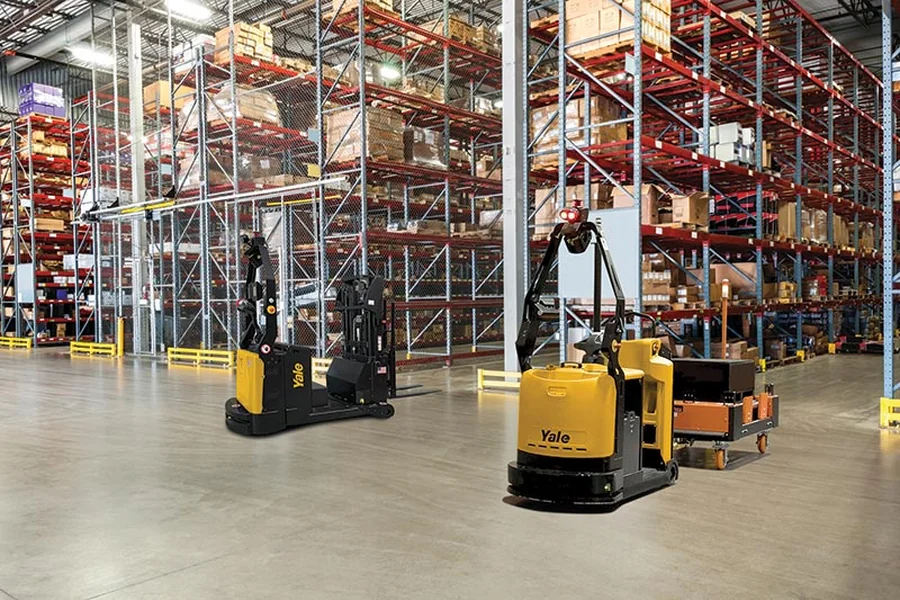
In the world of industrial operations, warehouses, and logistics, efficiency and safety are major priorities. One piece of equipment that often quietly transforms these environments is the industrial tow tug—a battery-powered machine designed to move heavy loads safely, precisely, and with minimal manual effort. Sometimes called electric tugs or electric tow tugs, these machines are used in a wide range of industries to improve productivity and workplace safety.
What Is an Industrial Tow Tug?
An industrial tow tug is a compact, powered vehicle built to pull or push heavy wheeled loads—such as trolleys, carts, trailers, bins, and even custom platforms—without the operator needing to manually push or pull them. Unlike forklifts, which lift loads, tow tugs move wheeled loads across floors with controlled speed, automatic braking, and ergonomic steering.
These machines are usually battery-powered, quiet, and designed for indoor use, though some heavier models can be used outdoors or on tougher surfaces. Tow tugs are valued for their compact size, ease of control, and ability to operate in confined spaces.
The Many Uses of Tow Tugs in Industry
1. Improving Workplace Safety
One of the biggest advantages of using a tow tug is the reduction in manual pushing and pulling of heavy loads. Heavy manual handling is a major source of strain and injury in workplaces. Tow tugs are engineered to remove that strain by allowing a single operator to move loads that would otherwise require several people or awkward manual effort.
Tow tugs have variable speed control and automatic braking, meaning they stop safely when the operator releases the controls. This reduces the risk of runaway carts or tipping loads—common hazards when moving big wheeled objects manually.
2. Material Handling in Warehouses
Warehouses are one of the most prominent environments where tow tugs are used. In distribution centers and storage facilities, workers must routinely move goods from one area to another. Tow tugs can pull carts loaded with inventory between inbound docks, storage shelves, picking stations, and outbound lanes with ease.
Unlike forklifts—which require space to lift loads and operate—tow tugs offer precise, close-quarters control that’s ideal for moving multiple smaller wheeled items at once. This makes them perfect for facilities with narrow aisles or tight layouts.
3. Manufacturing and Assembly Lines
In manufacturing environments, tow tugs help to streamline material flow along production lines. They are used to tow carts carrying raw materials, components, or work-in-progress items from one stage of production to the next. They may also tow mother and daughter carts—a system of linked carts that form a train—to handle large amounts of materials in a single trip.
This capability increases operational throughput while keeping workers out of harm’s way and reducing cycle times between production steps.
4. Retail, Supermarket, and Distribution Logistics
Tow tugs are not limited to heavy industry. In retail distribution and supermarket chains, they are often used to move goods from warehouse areas to shop floors or storage zones. For example, seasonal stock, pallets of goods, or cage trailers can be towed easily, freeing workers from repetitive manual handling.
This use is especially valuable during peak seasons, when inventory turnover is high and efficiency is critical. Tow tugs help reduce bottlenecks in loading and restocking processes.
5. Hospital and Healthcare Logistics
Hospitals and large healthcare campuses often have sprawling buildings where supplies—such as linen carts, food carts, medical equipment, or waste bins—must be moved regularly across departments. Tow tugs provide a safe and efficient solution to transport these wheeled loads quickly and quietly, without adding to staff workload.
Electric tow tugs’ low noise and controlled speed make them well-suited for environments where patients and staff are moving around, such as corridors and wards.
6. Airports and Logistics Hubs
Tow tugs also appear in aviation settings, where they help tow luggage carts, cargo dollies, and service trolleys. While aviation facilities often use specialized tow vehicles for aircraft, smaller electric tow tugs are widely used in baggage handling areas and terminal logistics to move wheeled carts efficiently.
7. Food Processing and Pharmaceutical Facilities
Industries with strict hygiene requirements—such as food processing and pharmaceuticals—benefit from tow tugs designed with cleanroom-compatible or stainless steel components. These machines allow safe transport of materials while meeting sanitation standards.
8. Waste Management and Facility Maintenance
Industrial sites often need to move large waste bins or scrap containers. Tow tugs attached to trailers or special bins make it easy to relocate waste from production areas to collection points, speeding up clean-up tasks and improving overall site efficiency.
9. Construction and Mining Support
On construction sites and in mining operations, tow tugs can haul heavy equipment, materials, and trailers over relatively short distances. They offer a safer alternative to manual transportation, especially when moving heavy wheeled loads around uneven terrain or busy worksites.
How Tow Tugs Improve Efficiency
Across all these uses, tow tugs share several common benefits:
- Reduce manual effort and worker fatigue.
- Increase throughput by moving multiple loads in fewer trips.
- Enhance safety, especially in confined or busy workspaces.
- Fit into tight spaces where larger vehicles like forklifts can’t operate.
- Support lean and just-in-time production models by improving material flow.
Tow tugs help facilities optimize workflows by automating repetitive transport tasks, giving workers more time to focus on skilled jobs and reducing errors related to manual handling.
Selecting the Right Tow Tug
When choosing a tow tug, factors to consider include:
- Towing capacity (from a few hundred kilograms to several tonnes).
- Battery life and charging requirements for full-day operation.
- Surface type (smooth indoor floors vs rough outdoor terrain).
- Type of hitch needed for your specific carts or trailers.
- Safety features such as automatic brakes and speed control.
Correct selection ensures the tug has enough traction and power to handle your loads and working conditions without slipping or stalling.
Industrial tow tugs are powerful, versatile tools that have transformed material handling in warehouses, factories, hospitals, airports, and more. By improving safety, reducing manual effort, and increasing operational efficiency, they streamline daily tasks across industries and help workplaces operate more effectively and safely. As industries continue to grow and seek smarter ways to transport materials, the role of tow tugs will only become more important in the modern material handling landscape.