
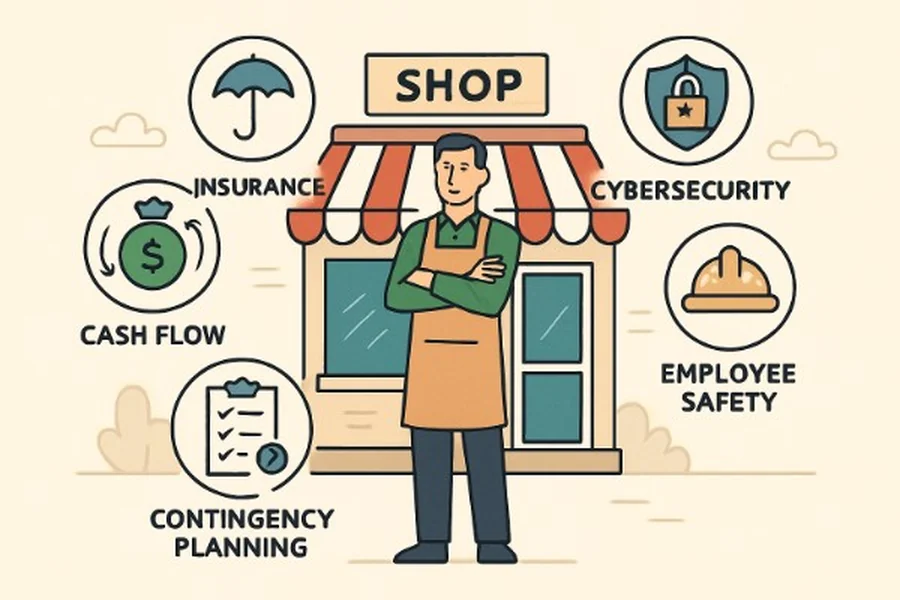
Managing risk is one of the cornerstones of a successful small business. Every organization, regardless of size or industry, faces unpredictability. By understanding the risks tied to your business and taking proactive steps, you can better protect your investment and secure long-term stability. Early risk planning helps you minimize the negative impacts of market shifts, regulatory changes, or unexpected disruptions. Learn how you can safeguard your company and prepare for the future. For more specific strategies on business protection, visit sites like https://www.thehartford.com/business-insurance.
With so many potential pitfalls, business owners must make risk management part of their ongoing planning. This doesn’t just mean protecting against major disasters; it also involves daily monitoring, investing in your team, and relying on trusted external resources. A multi-layered approach provides a solid foundation for handling both routine risks and rare, high-impact events.
Building resilience starts with financial oversight but also requires employee awareness, regular assessment, and forward-thinking coverage. Data protection is now as vital as insuring physical assets, and adapting to new threats and regulations can make all the difference. The following guide covers the most important risk management tactics that any small business should consider.
Monitoring Cash Flow
Healthy cash flow is fundamental for small business survival. Tracking income and expenses not only gives you insight into your current financial health but also helps you predict future challenges. Tools like QuickBooks, Xero, or Wave let you automate recordkeeping, generate accurate financial reports, and forecast future trends. By identifying cash shortages early, you can proactively seek solutions such as cutting unnecessary expenses, renegotiating supplier contracts, or securing a line of credit before a crisis arises.
Tips for Effective Cash Flow Management
- Set reminders for upcoming bills and receivables to avoid late payments and maintain positive relationships with vendors.
- Regularly reconcile accounts to quickly spot discrepancies or fraud risk.
- Review financial statements monthly to identify negative trends, such as increasing debt or declining revenues, that may require immediate action.
Implementing Insurance Coverage
Insurance is a crucial safeguard against unpredictable setbacks. Evaluating your risk profile enables you to tailor your coverage effectively. At a minimum, small businesses often require general liability, property insurance, and commercial auto coverage. Depending on your industry, consider specialized options like professional liability, product liability, or cyber insurance.
Your insurance policy should also include business interruption coverage, which protects income if an incident forces temporary closure. Taking time to compare providers and policy exclusions helps you avoid underinsurance, which can leave your business vulnerable after an incident. Stay informed about evolving risks in your field by consulting a commercial insurance advisor who understands small-business needs.
Enhancing Cybersecurity Measures
The rise of digital business has made cybersecurity a top priority for small companies. Even smaller businesses are prime targets for cybercriminals because they may lack robust defenses. Basic measures such as keeping software up to date, using strong, unique passwords, and enabling multi-factor authentication significantly reduce risk. Train employees to recognize phishing attempts and suspicious activity, since human error is often the main gateway for breaches.
For greater security, consider adopting a Zero Trust Architecture. This modern approach continuously validates users and devices, reducing the likelihood of unauthorized access to sensitive data. Cloud-based security solutions may also simplify management without sacrificing protection.
Developing Contingency Plans
Having a contingency plan in place prepares your business for events such as natural disasters, supply chain disruptions, or sudden loss of key personnel. Start by identifying the most likely and highest-impact risks. Outline clear response protocols and establish roles for your team members. Practice these plans regularly through drills or tabletop exercises so everyone is familiar with their responsibilities during a crisis.
Review and update your contingency plan often in response to new threats or operational changes. A strong plan not only protects your business but also reassures employees and customers of your commitment to preparedness.
Diversifying Income Streams
Depending heavily on a single product, service, or client puts your business at risk should the market shift or a key contract end. Seek out avenues for diversification, such as broadening your product line, targeting new customer segments, or adding complementary services. This strategy helps cushion financial losses and promotes year-round stability.
Exploring partnerships or joint ventures can also introduce new income opportunities while sharing risk. Constantly evaluating your revenue streams lets you spot reliance on a single area early and explore alternatives before it becomes a critical issue.
Employee Training and Safety
Your employees are your first line of defense against many risks. Invest in ongoing training covering key areas: workplace safety standards, company policies, emergency procedures, and cyber awareness. Regular workshops or e-learning modules keep knowledge fresh and foster a culture of accountability. Recognizing hazards early and knowing how to respond reduces the likelihood and impact of accidents and security breaches.
Regular Risk Assessments
Conducting periodic risk assessments uncovers new vulnerabilities driven by operational changes, technological advancements, or regulatory updates. Engage stakeholders from each department to review workflows and identify weak points. Document findings and prioritize mitigation measures based on potential impact and likelihood. Addressing these proactively means your company is consistently positioned to adapt to the changing business environment.
Leveraging External Resources
Do not hesitate to seek outside expertise. Government programs, local chambers of commerce, and industry associations often provide free or affordable resources, from risk assessment tools to best-practice webinars. Staying connected to these groups also helps you anticipate industry trends and regulatory updates that could affect your business. Taking a proactive approach to risk by tapping into broader networks makes your management strategy much stronger.
In conclusion, a multi-faceted approach to risk management helps ensure your small business remains resilient in the face of setbacks. By monitoring cash flow, maintaining robust insurance, strengthening cybersecurity, diversifying income, investing in employees, and leveraging external expertise, you create a solid foundation for long-term success. Remember to take advantage of the many resources available, and regularly revisit your strategies as your business evolves.